Inspiring Innovation For A Better World
At KPIT Technologies, we believe innovation is key to shaping a better world. Through our KPIT STEM Dialogues initiative, we inspire students to pursue careers in science, technology, engineering, and mathematics. By sharing insights from renowned scientists, we aim to nurture a passion for STEM and empower the next generation to drive progress and address global challenges through innovative solutions.
Latest Episode
Systems Thinking in the Age of AI: Prof. Jane Hillston | KPIT STEM Dialogues
Interview Text Version
Leadership Doesn’t Have One Style | Prof. Jane Hillston | KPIT STEM Dialogues
Interview Text Version
Prof. Jane Hillston on Responsible AI | KPIT STEM Dialogues
Interview Text Version
Why Writing Is a Superpower in Science & Engineering | Prof. Jane Hillston | KPIT STEM Dialogues
Interview Text Version
AI Can Summarise, But It Can’t Replace Understanding | Prof. Jane Hillston
Interview Text VersionPrevious Episodes
A Conversation with Professor Bronwyn Fox
Interview Text Version
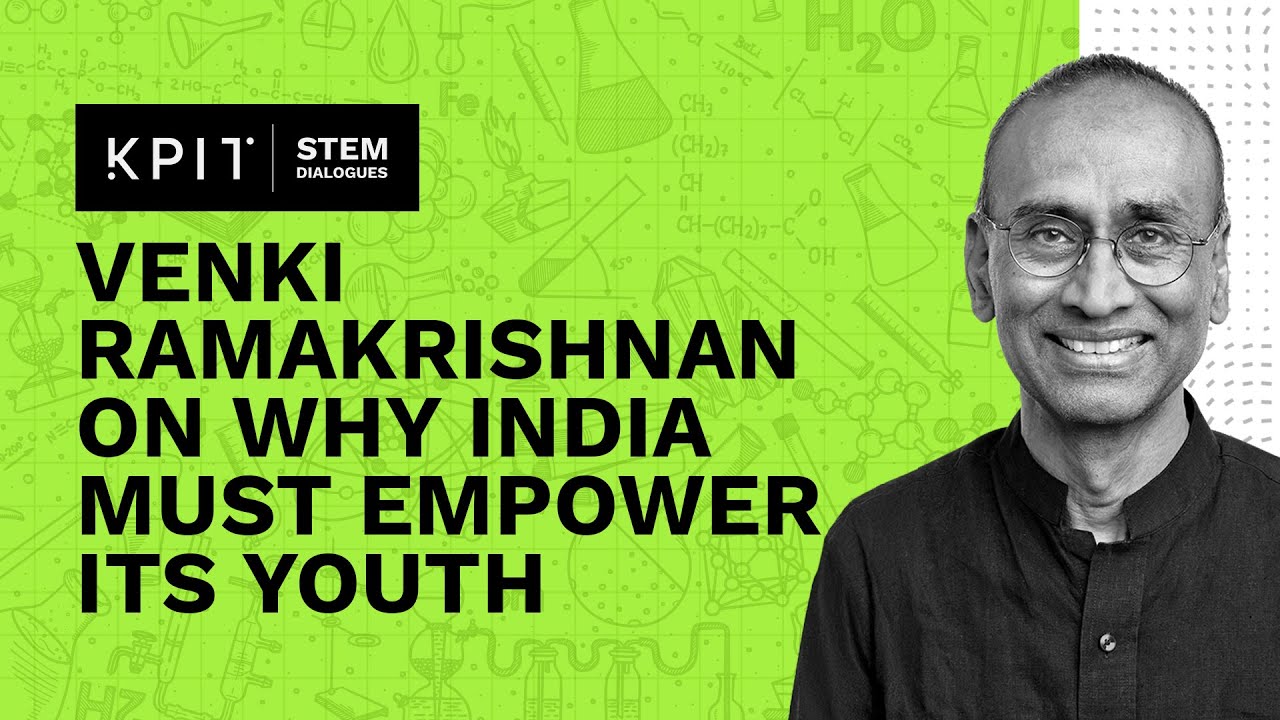
A Conversation with Dr. Venki Ramakrishnan
Interview Text Version

A Conversation with Henrik Stiesdal
Interview Text Version
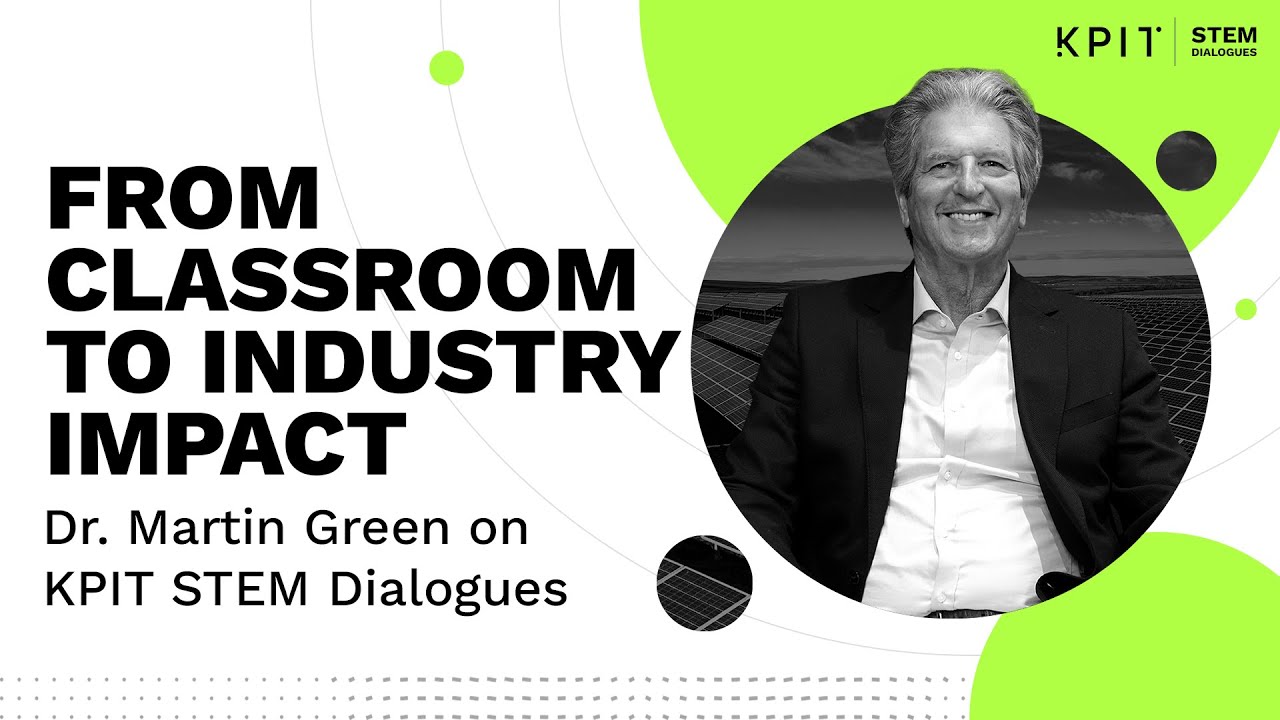
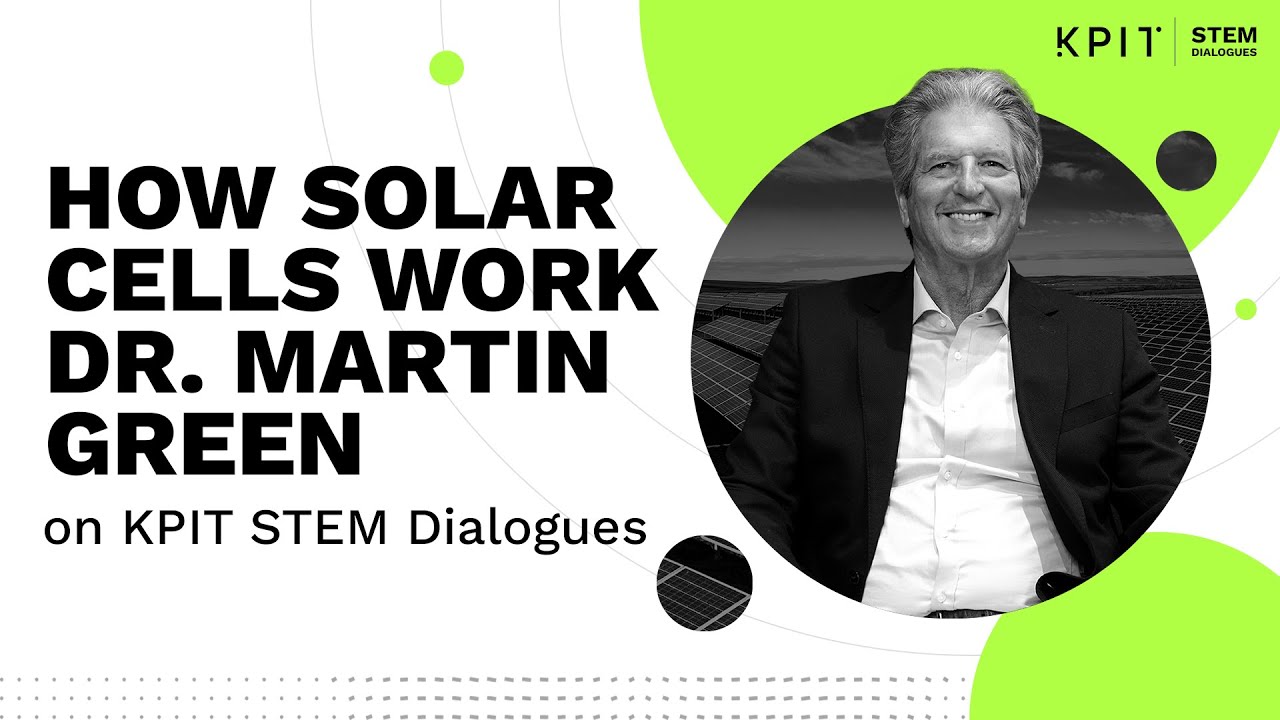
In Conversation With Dr. Martin Green
Interview Text Version
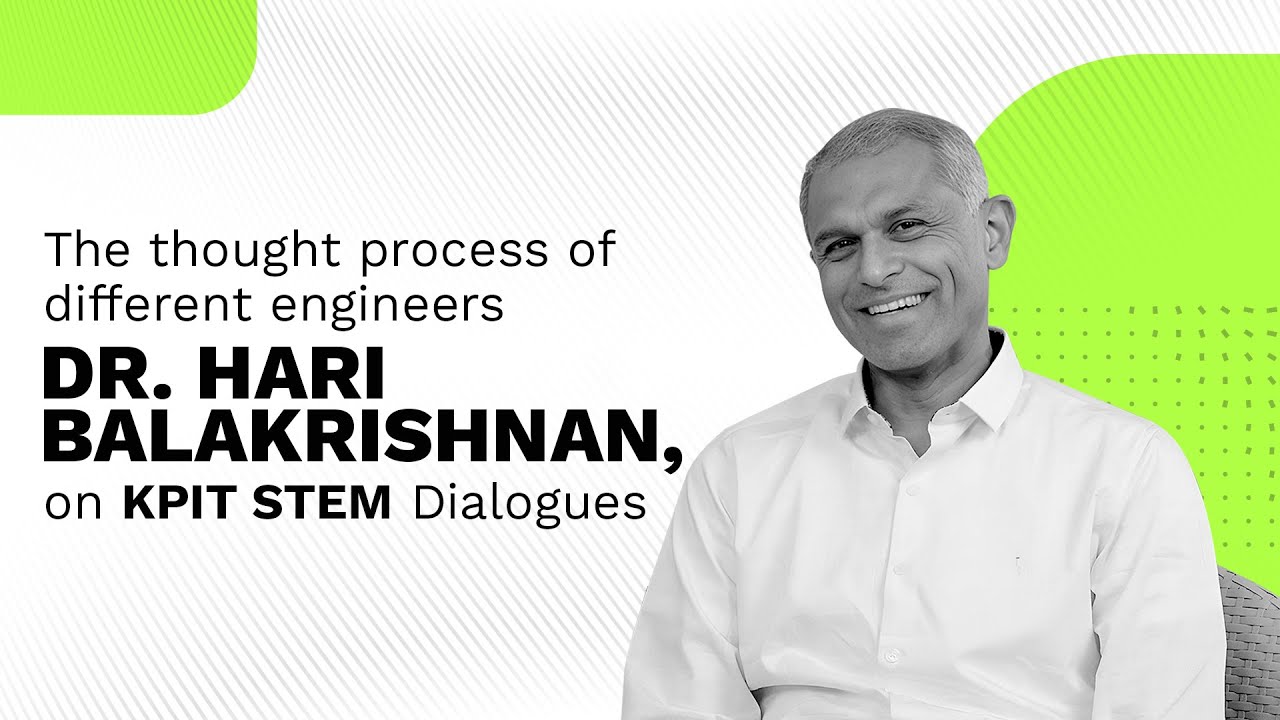
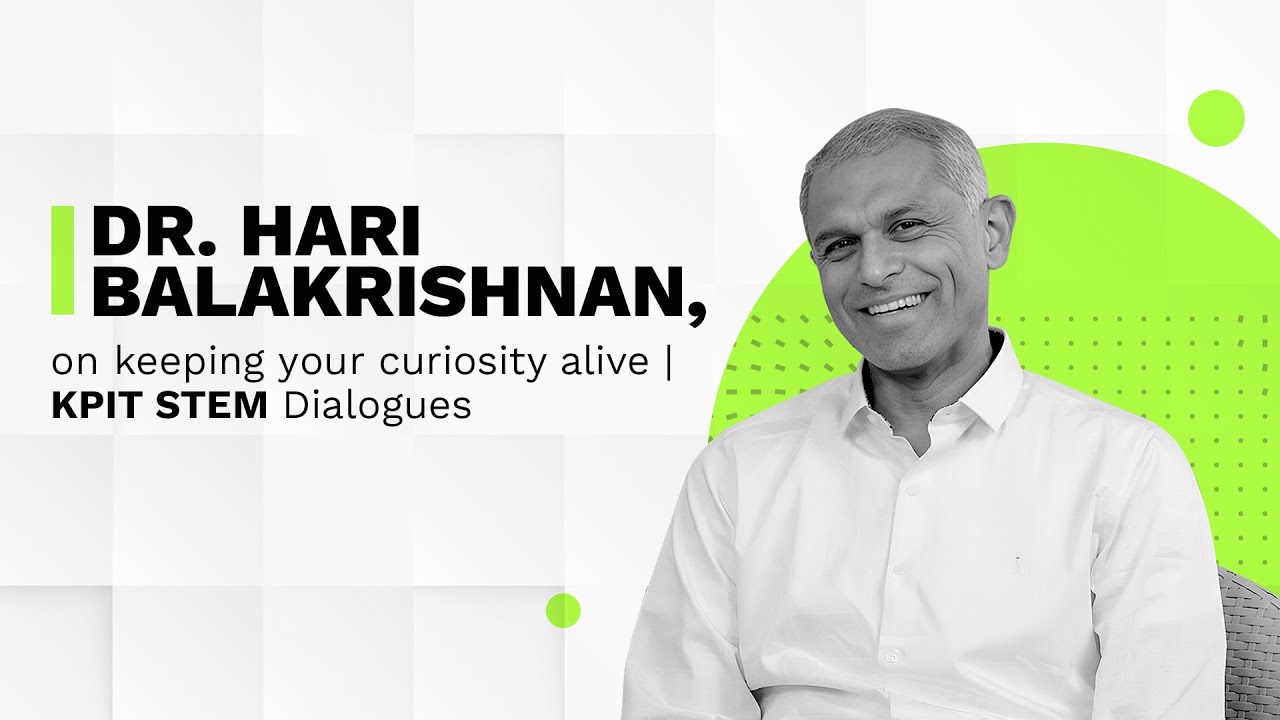
In Conversation With Dr. Hari Balakrishnan
Interview Text Version
Dr. Bjarne Stroustrup
Interview Text Version
In Conversation With Dr Alan Finkel
Interview Text Version
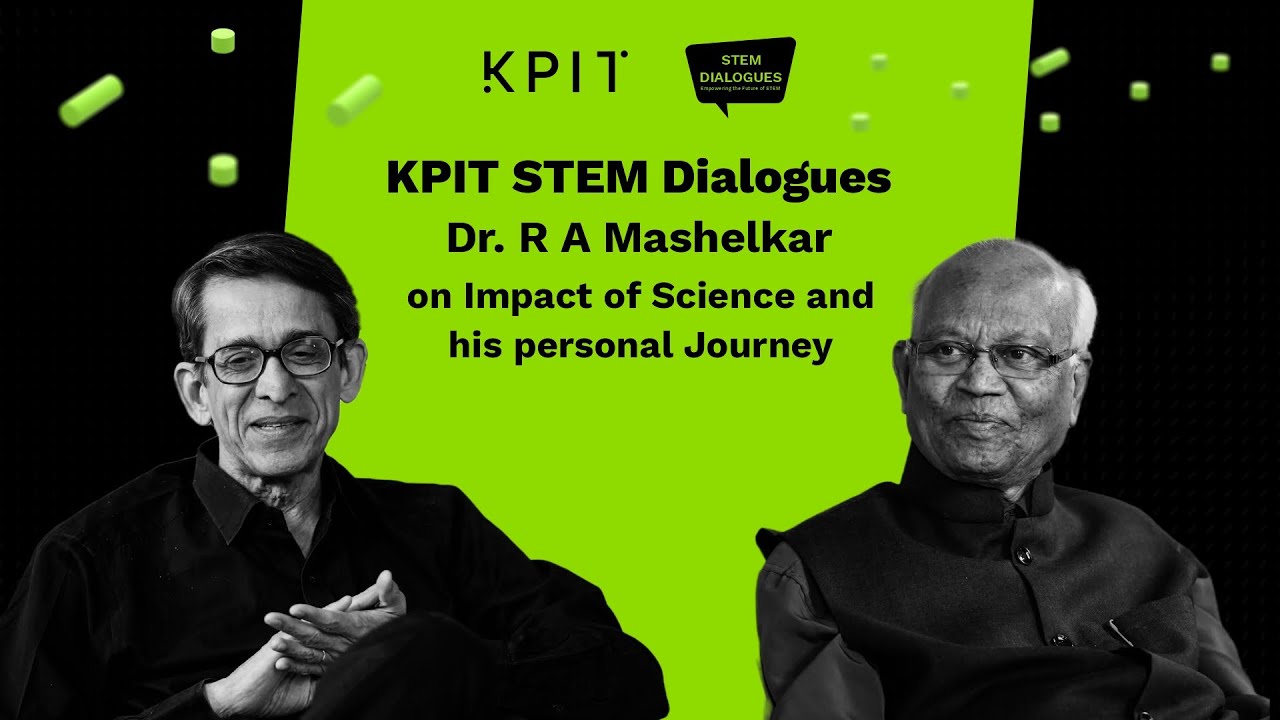
In Conversation With Dr Mashelkar
Interview Text Version
Listen On The Go
Interesting Insights From The Conversations
Meet The Speakers
Professor Jane Hillston
Professor Jane Hillston is a British computer scientist and Professor of Quantitative Modelling at the University of Edinburgh, where she also served as Head of the School of Informatics. She is widely known for her work on stochastic process algebras, including the development of PEPA, and her contributions to modelling both artificial and natural systems.
Prof Fox
Bronwyn Fox is an Australian scientist who is professor of materials science and the deputy vice chancellor research and enterprise at the University of New South Wales. She formerly served as the chief scientist at CSIRO.
Dr. Venkatraman “Venki” Ramakrishnan
Dr. Venkatraman Ramakrishnan is a structural biologist and Nobel Laureate recognized for his pioneering work on the ribosome — the molecular machine that decodes genetic instructions to produce proteins. Born in Tamil Nadu, India, and raised in Vadodara, he began his academic journey in physics before shifting disciplines entirely to biology.
Dr. Henrik Stiesdal
Henrik Stiesdal, a wind power pioneer, built his first test turbine in 1976 and sold its design license to Vestas in 1979, laying the foundation for today’s wind industry.
Dr. Martin Green
Dr. Martin Green is an Australian scientist celebrated as a pioneering figure in the field of solar energy.
Dr. Hari Balakrishnan
Dr. Hari Balakrishnan, born in Nagpur, India, and raised in Mumbai and Chennai, is a pioneering figure in computer science
Dr Bjarne Stroustrup
Bjarne Stroustrup is a Danish computer scientist renowned for inventing and developing the C++ programming language.
Dr Alan Finkel
Dr. Alan Finkel AC FAA FTSE is an esteemed Australian neuroscientist, inventor, researcher, entrepreneur, educator, policy advisor, and philanthropist.
Dr R A Mashelkar
Dr. Raghunath Mashelkar is one of India’s most eminent scientists, renowned for his transformative contributions to the National Chemical Laboratory and the Council of Scientific & Industrial Research.
Explore More
KPIT STEM Dialogues
Professor Jane Hillston
- Quiz
- Poll
- Fun Fact
Congratulations!
You Have Completed The QuizYour score
Poll Questions – Professor Jane Hillston - Where do performance modeling techniques matter the most today?
Fun Facts About Professor Jane Hillston
She initially loved writing and reading, and even considered becoming an author.
A school science program in London played a transformational role in shaping her career path.
She switched from abstract mathematics to computer science because she wanted to create practical, real-world impact
She has worked across diverse domains from biology labs to city transportation systems.
Geography was her least favorite subject in school and she dropped it at age 14.
She enjoys exploring new ideas through curiosity-driven reading and writing regularly.
KPIT STEM Dialogues
Professor Bronwyn Fox
- Quiz
- Poll
- Fun Fact
Congratulations!
You Have Completed The QuizYour score
Fun Facts About Professor Bronwyn Fox
Her favourite carbon allotrope is diamond—proof that even pure carbon can surprise. She has taken flying lessons and once visited the Aston Martin factory; a lunchtime spin in a DBS sealed the “fast cars” obsession. Watching robots manufacture the BMW i3 felt like seeing a choreographed dance—fast, precise, and mesmerizing. Both parents were scientists; resisting the dinner‑table science chats only pulled her deeper into STEM. A relative was the first drummer in pioneering Australian punk band The Saints—punk’s DIY ethos still inspires her approach to science. She sees music and science lighting up the same parts of the brain; one of her closest friends from school is now an opera singer.
KPIT STEM Dialogues
Dr. Venki Ramakrishnan
- Quiz
- Poll
- Fun Fact
Congratulations!
You Have Completed The QuizYour score
What part of Dr. Venki Ramakrishnan’s journey do you find most inspiring?
1.Double Doctorate
Venki holds not one, but two PhDs — one in physics and another in biology. He made the switch mid-career, starting from scratch in a new discipline.
2.Late-Blooming Scientist
He wasn’t always a science enthusiast. In fact, as a child, he was more interested in books and writing than labs and equations.
3.Ocean-View Student Housing
During his second PhD at UC San Diego, he lived in subsidized student housing overlooking the Pacific Ocean — a perk he credits with making that intense phase a little easier.
4.From India to Cambridge, via Utah
He gave up a well-paid, comfortable academic job in Utah to move to Cambridge for a more focused research environment — a decision that ultimately led to his Nobel- winning breakthrough.
5.Storyteller in Science
He’s not just a researcher — he’s also an author. His books Gene Machine and Why We Die are praised for making complex science accessible and human.
KPIT STEM Dialogues
Dr. R A Mashelkar
- Quiz
- Poll
- Fun Fact
Congratulations!
You Have Completed The QuizYour score
Which aspect of Dr. Mashelkar’s work do you find most inspiring?
From 3 Billion to 100 Dollars
Sequencing the human genome initially took over a decade and cost around $3 billion. Today, it can be done for just $100, making genetic information more accessible and useful for personalized medicine.
World’s Third Indian Engineer Elected to Royal Society
Dr. Mashelkar is one of only three Indian engineers ever elected as a Fellow of the Royal Society (FRS), the world’s oldest scientific academy.
Synthetic Biology
Dr. Mashelkar highlighted synthetic biology as a revolutionary field that allows scientists to design and construct new biological parts, devices, and systems. This can lead to significant advancements in healthcare, agriculture, and environmental sustainability.
Ammonia's Importance
Without ammonia-based fertilizers, the world could only feed about half of its current population. The shift to green hydrogen for ammonia production is therefore critical for both environmental sustainability and food security.
KPIT STEM Dialogues
Dr. Alan Finkel
- Quiz
- Poll
- Fun Fact
Congratulations!
You Have Completed The QuizYour score
How significant do you think interdisciplinary approaches are in addressing global challenges such as green energy and neuroscience?
Clean Energy Source
Hydrogen is the most abundant element in the universe and can be used as a clean fuel. When used in fuel cells, it only produces water and heat as by- products.
Lightest Metal
Lithium is the lightest metal and the least dense solid element, making it ideal for applications where weight is a critical factor, such as in batteries for laptops and mobile phones.
Human Brain Complexity
The human brain contains approximately 86 billion neurons, each connected to thousands of other neurons, creating an incredibly complex network.
Purity
Silicon can be purified to an extraordinary extent, reaching a purity level of 99.999999999%. This high purity ensures that even microprocessors with billions of transistors have no defects.
Energy Storage Density
Lithium batteries have the highest energy storage density per kilogram compared to other types of batteries, making them highly efficient for storing large amounts of energy in a small, lightweight package.
KPIT STEM Dialogues
Dr. Bjarne Stroustrup
- Quiz
- Poll
- Fun Fact
Congratulations!
You Have Completed The QuizYour score
Do you believe AI will completely replace human programmers in the future?
Versatile Interests
Besides computer science, Dr. Stroustrup has a keen interest in history, music, and running. He believes these hobbies contribute to his overall well- being and creativity.
Self-Sufficiency
He financed his education by working part-time jobs such as delivering milk and newspapers.
Classical Music Enthusiast
Dr. Stroustrup often listens to classical music while working, which helps him focus and relax.
Global Influence
His books on C++ are considered foundational texts, used by millions of students and professionals around the world.
Broad Education Advocate
He strongly believes in the value of a broad education and continuously learning new subjects to stay adaptable and innovative.
KPIT STEM Dialogues
Dr. Hari Balakrishnan
- Quiz
- Poll
- Fun Fact
Congratulations!
You Have Completed The QuizYour score
Which of Dr. Hari Balakrishnan's contributions do you find most impactful?
Tech-Savvy Family
Dr. Balakrishnan comes from a family deeply rooted in science and technology. His mother and father are both theoretical physicists, and his sister is a leading professor at MIT, highlighting a strong family tradition of academic excellence and innovation.
Cricket Enthusiast
Before committing to computer science, Dr. Balakrishnan harbored ambitions of becoming a professional cricketer, a dream shared by many children in India.
Pioneering Telematics
At Cambridge Mobile Telematics (CMT), Dr. Balakrishnan has revolutionized road safety by using smartphone sensors to monitor and improve driving behavior, contributing to safer roads and personalized insurance plans.
Award-Winning Research
His Ph.D. dissertation on congestion control in computer networks earned him the prestigious ACM Doctoral Dissertation Award, underscoring his early contributions to the field of computer networking.
KPIT STEM Dialogues
Dr. Martin Green
- Quiz
- Poll
- Fun Fact